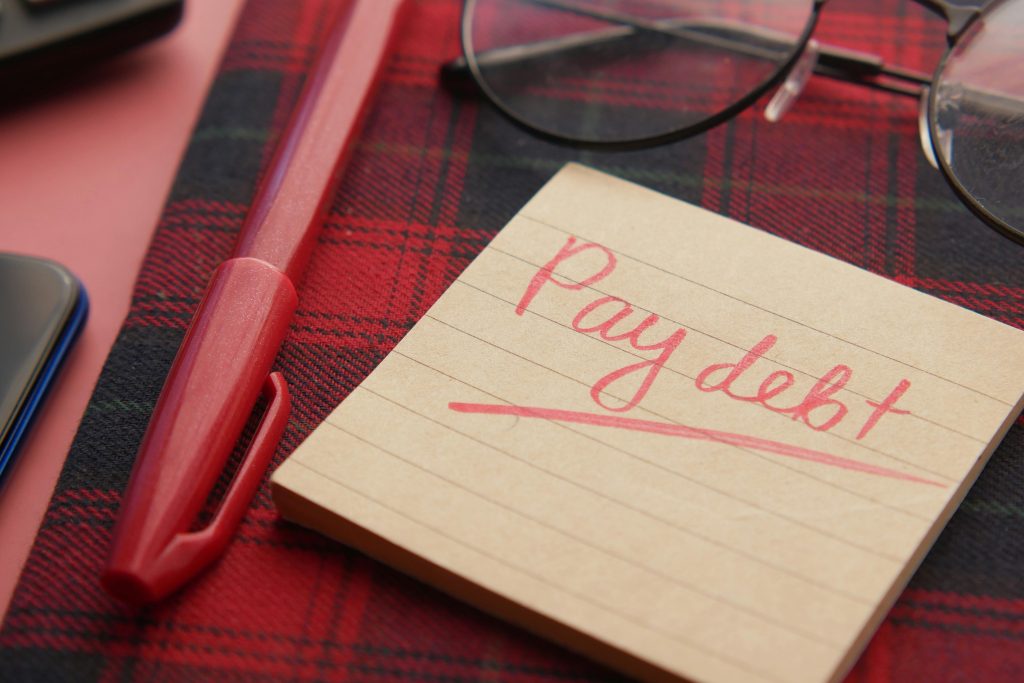
Borrowing money can sometimes be a necessary step towards your goals. But borrowing too much without a plan for the next steps, or unexpected life events disrupting your income, can result in repayments becoming overwhelming. With support, you can create and execute a plan for repaying your debts and reducing the stress that goes with them.
Table of contents
Is debt something you need to worry about?
Most of us carry some form of debt – a mortgage, student loan, car finance, or a credit card balance. Having debt isn’t automatically a problem. What matters is whether you can manage the repayments comfortably alongside your other outgoings.
It might be worth paying closer attention to your debt if you:
- are regularly missing repayments or only making the minimum payment on credit cards
- are borrowing to cover everyday essentials like food or bills
- don’t know exactly what you owe or to whom
- feel anxious or stressed when you think about your finances
If any of those feel familiar, this article can help you work out where to start.
Why should you tackle debt repayments?
Debt can feel like a significant weight on your shoulders. 63% of people in problem debt report medium to high levels of anxiety. The Samaritans also report that 78% of their callers in 2022 spoke to people in severe distress over debt.
As debt lingers, interest accruing on the debt can make it more and more difficult to repay. So, if you hold some debts, working out how to manage them before they become a problem can help you avoid high levels of stress.
If meeting your repayments feels like an insurmountable obstacle, remember you still have a chance to organise and plan your finances so you can pay down your debt. Support is also available to help you do this.
Which debts should you focus on?
Some debts will cause serious problems if not repaid. For example, they may lead to your home being repossessed or you being evicted; utilities being cut off; being taken to court; or even going to prison.
High priority debts will therefore tend to include mortgage/rent, taxes, utility bills and child maintenance. Other debts such as credit cards, payday loans and parking tickets can also lead to court if you don’t repay, but consequences may not be as severe.
Citizens Advice has a more detailed list of debts you might want to prioritise.
What is the ‘debt snowball’?
Once you’ve dealt with the highest priority debts (i.e. you won’t be left homeless, in prison or without electricity), you can look at ways to clear any other sums that you owe. The ‘debt snowball’ is one technique for tackling these.
With the snowball technique, you categorise your debts from smallest to largest. You then start by clearing the smallest. This is likely to be the easiest to repay, and will give you a sense of progress. It also gives you time to restructure your finances more significantly to be able to afford the larger debts.
Some may prefer the ‘debt avalanche’, which means tackling debts with the highest interest rate first. This can help you reduce the amount of interest accruing and therefore lower the amount you repay overall.
Making repayments
Once you’ve identified your priority debts and decided the order in which you want to tackle them, you may be able to rearrange your finances so you can make some or more repayments. You might consider:
- Reducing your everyday expenses through careful budgeting. The Maji spending planner can help you understand where your money is going each month, set limits for each category and review where you are in real time.
- Checking if you can reduce other costs such as utilities, prescriptions or transport fees.
- Increasing your income so you have more available for repayments. This might be through upskilling, taking on a new role or setting up a side hustle. It could even be as simple as selling some of your old belongings.
- Making sure you are receiving any benefits you’re entitled to. Check Turn2Us for more information.
- Addressing the root causes of behaviours that have led to debts piling up. Working with a financial coach could help you explore your feelings around money and how you could restructure your habits.
Other debt solutions
You may be able to get support from your creditors to make repayment more manageable, including more time to pay. You might also agree a formal debt solution with them.
Debt solutions can take different forms, including debt relief orders, debt management plans, and debt consolidation.
The National Debtline and StepChange are two organisations that can help you understand which debt solutions might be right for you.